Effortless Elegance: How to Transition Your Style Across Seasons
Great personal style should not disappear when the weather changes. Instead, a strong wardrobe should evolve naturally throughout the year, allowing you to adjust colors, fabrics, layers, and proportions while keeping your personal identity consistent. Seasonal fashion is not about replacing your entire wardrobe every few months; it is about understanding how existing pieces can be combined differently. Current menswear is particularly interesting because designers are balancing traditional tailoring with relaxed silhouettes, expressive colors, and more creative layering. When you understand this approach, transitioning from one season to another becomes much easier and more enjoyable.
Why Seasonal Style Matters
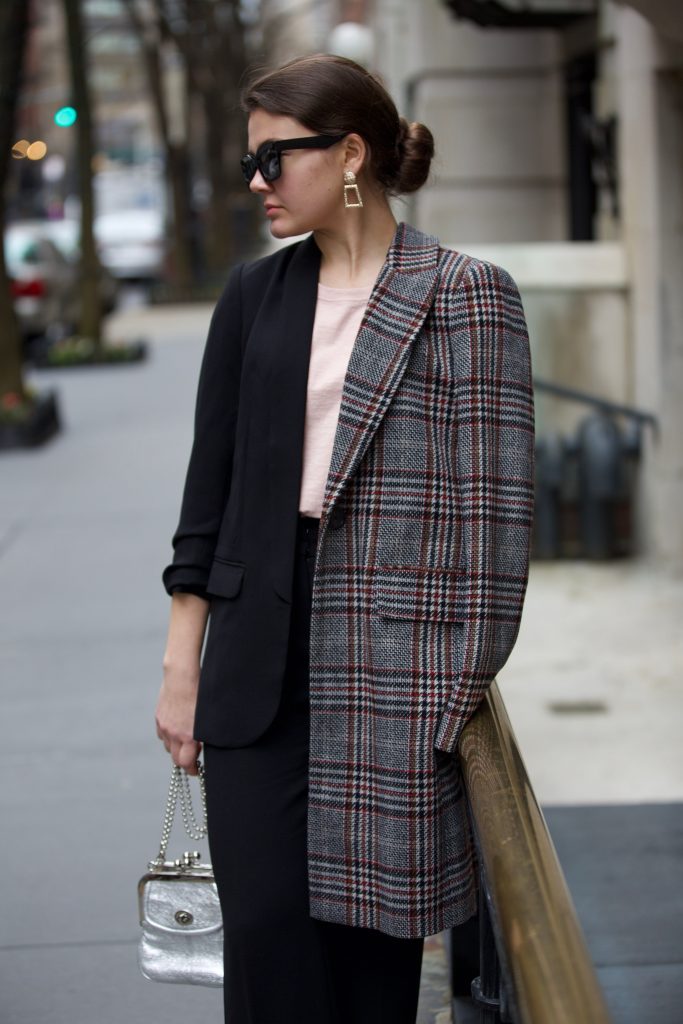
Different seasons naturally call for different clothing choices. Warm weather encourages breathable fabrics and lighter layers, while cooler months create opportunities to introduce knitwear, jackets, coats, and richer textures. The smartest approach is to create a flexible wardrobe where your favorite pieces can continue working throughout the year. A lightweight shirt might be perfect on its own during summer but become a useful base layer underneath a jacket during autumn. Similarly, trousers, denim, loafers, and simple shirts can often move between seasons simply by changing the pieces around them.
Building a Flexible Wardrobe
A flexible wardrobe starts with dependable colors and versatile clothing. Navy, white, grey, beige, brown, olive, and denim can form a foundation because they are easy to combine with both lighter summer colors and deeper autumn or winter shades. Current menswear trends are also giving traditional neutrals more variety, with chocolate brown and olive increasingly being treated as flexible modern neutrals. This means you can create a wardrobe that feels current without buying completely different clothes for every season.
Spring and Summer Style
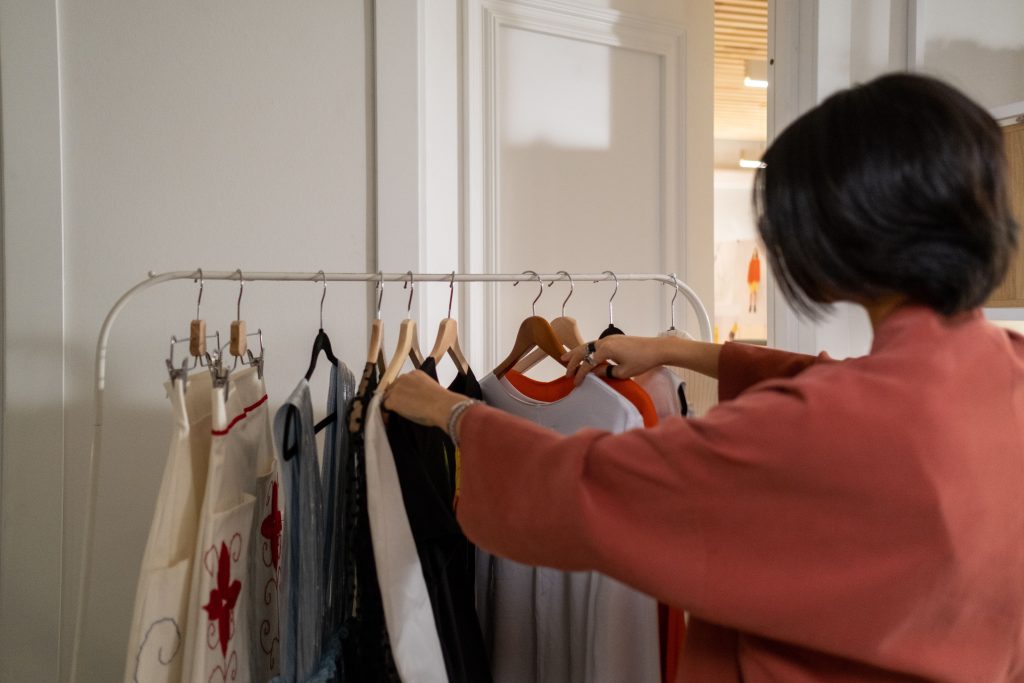
Spring and summer dressing is primarily about comfort, breathability, and visual freshness. Lightweight shirts, relaxed trousers, polos, breathable jackets, and clean sneakers or loafers can create outfits that feel polished without looking overly formal. A simple combination such as a light shirt, tailored trousers, and loafers can work for a variety of warm-weather occasions. During especially hot weather, choosing breathable materials and avoiding unnecessary layers helps keep the outfit comfortable while maintaining a refined appearance.
Choosing Lightweight Fabrics
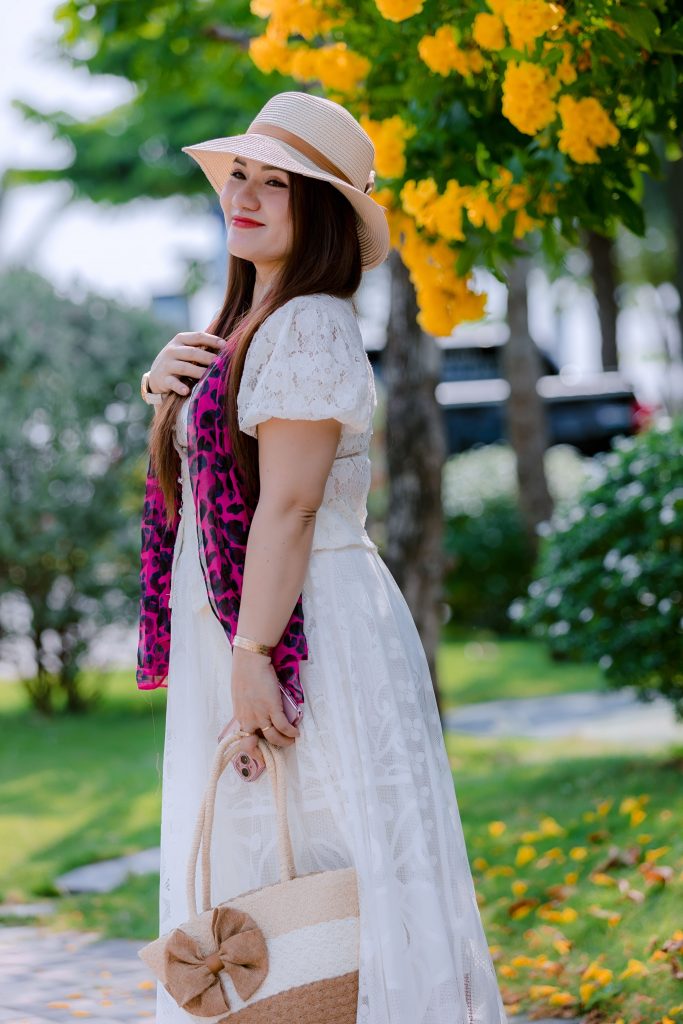
Fabric becomes particularly important during warmer months. Cotton, linen, and lightweight blends can make an outfit feel more suitable for hot conditions. Current summer menswear coverage continues to emphasize breathable shirts and relaxed pieces that combine comfort with polish. Instead of relying on heavy layering, use texture and subtle color differences to create visual interest. A cream shirt with beige trousers, for example, creates a sophisticated tonal combination, while adding a darker belt or footwear provides definition.
Autumn and Winter Style
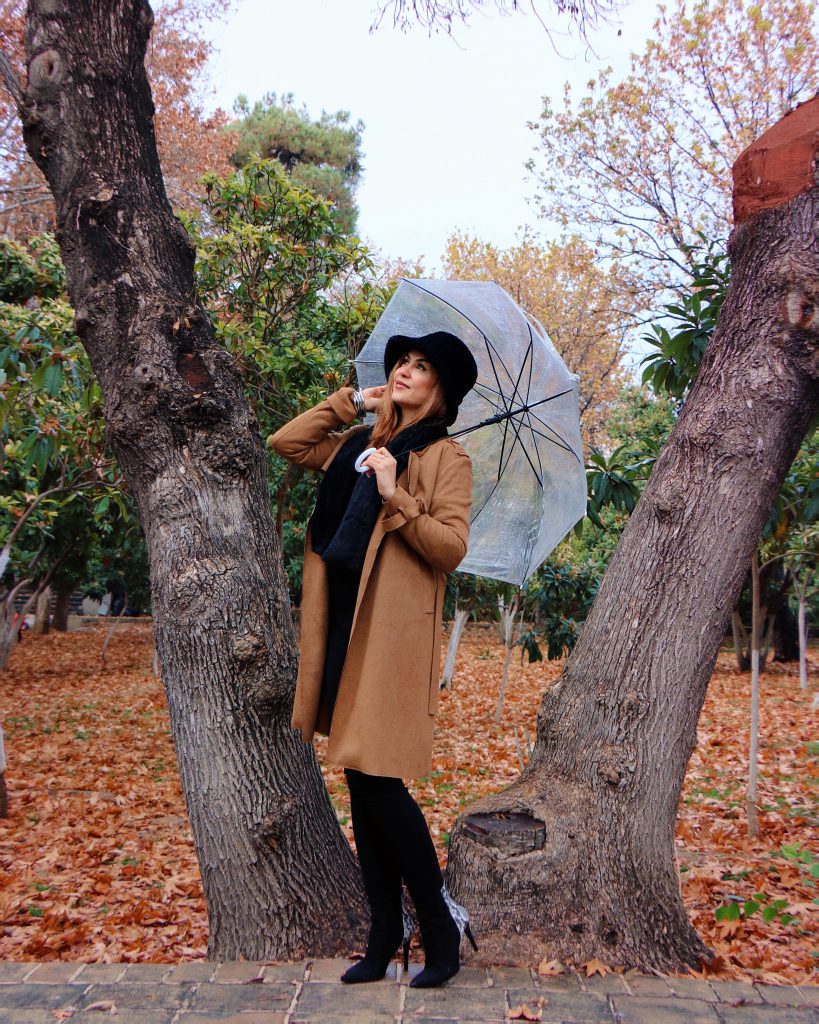
As temperatures fall, layering becomes the most useful styling technique. Rather than simply putting on the thickest coat available, build an outfit gradually. A shirt can become the base, followed by knitwear, an overshirt or blazer, and finally a coat when the weather requires it. This approach gives you greater control over both comfort and appearance.
Mastering Layering
Layering also creates depth and allows the same wardrobe pieces to work in different ways. Current menswear trends have placed considerable attention on advanced layering, with designers and stylists experimenting with combinations of shirts, T-shirts, jackets, and other pieces. The trick for everyday dressing is not to copy the most dramatic runway combinations. Instead, start with two or three complementary layers and make sure each one has enough room to sit comfortably over the previous layer.
Texture can make winter outfits more interesting too. Wool, corduroy, knitwear, suede-like textures, denim, and heavier cotton can create visual depth even when the color palette remains simple. A navy knit under a brown jacket with dark trousers, for instance, can look sophisticated without requiring a complicated pattern.
Creating a Seasonal Color Palette
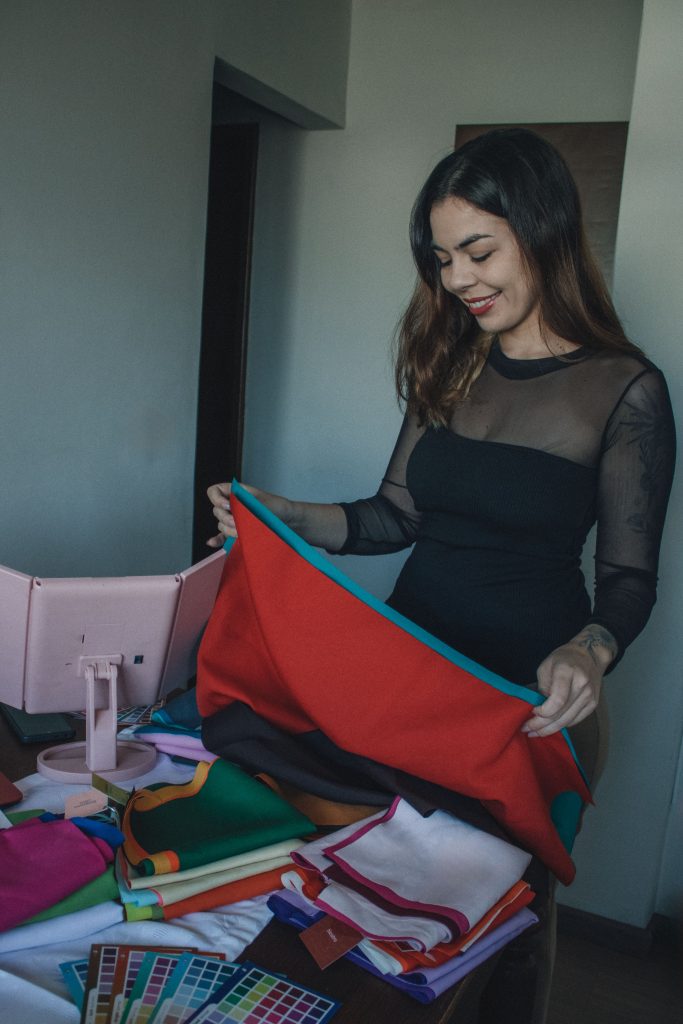
Color is one of the easiest ways to make your wardrobe feel seasonal. Spring and summer often work naturally with lighter neutrals, creams, soft blues, greens, and brighter accents. Autumn and winter can accommodate deeper browns, burgundy, olive, navy, charcoal, and other richer tones.
Mixing Classic and Trending Colors
You do not have to completely change your color palette every season. Instead, keep your foundation neutral and introduce one or two seasonal colors. In 2026, menswear is seeing stronger interest in expressive shades such as red, green, butter yellow, royal blue, and other saturated colors, while brown and olive are being used as flexible supporting neutrals.
The easiest way to experiment is through smaller pieces. A colorful shirt, knit, scarf, or accessory can introduce a trend without forcing you to rebuild your wardrobe. If you prefer a quieter style, combine a bold color with neutral trousers and understated footwear. If you enjoy stronger fashion statements, you can gradually experiment with contrasting shades
High-End and Everyday Fashion
One of the most effective ways to create a refined wardrobe is to combine high-end-looking pieces with everyday clothing. You do not need every item to be luxurious. Instead, focus on creating balance.
Creating Balanced Outfits
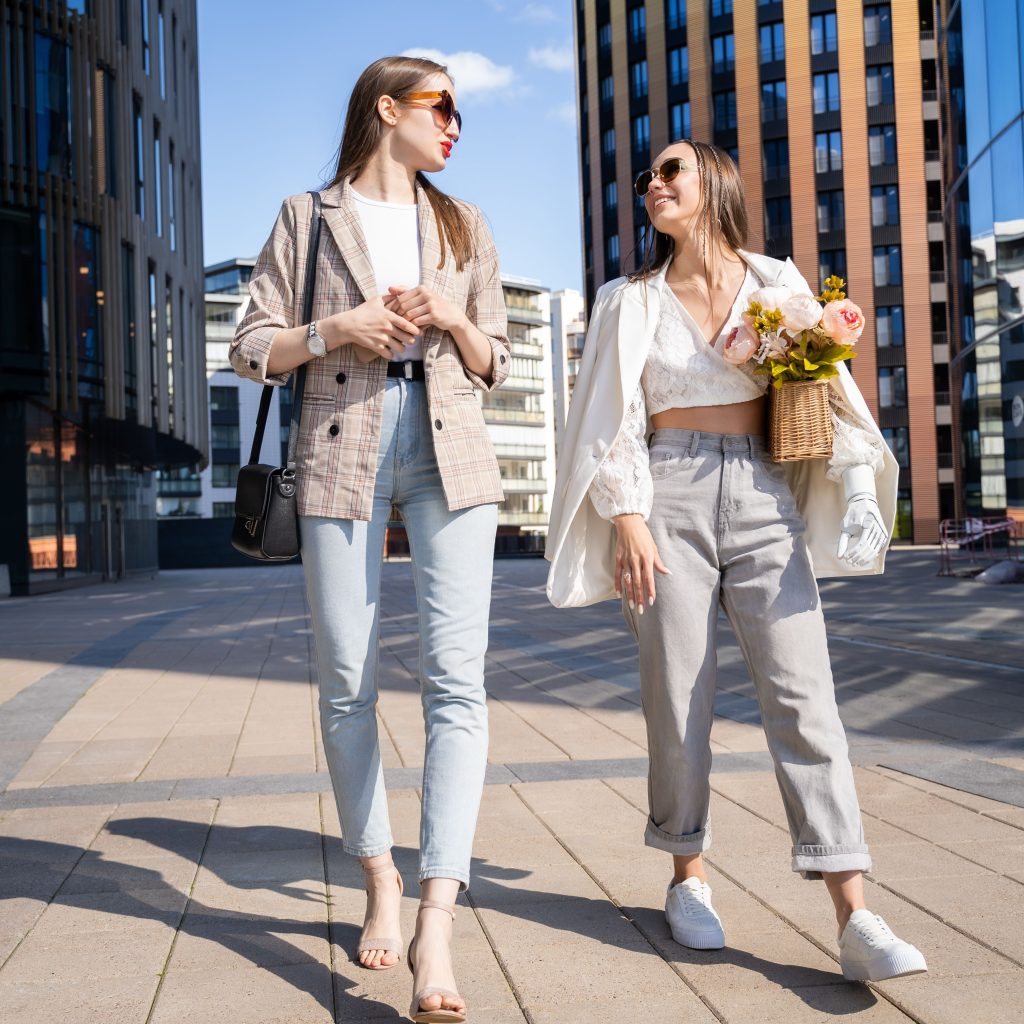
A tailored jacket can be combined with simple trousers and clean sneakers. A premium-looking knit can be worn with everyday denim. A classic coat can elevate a basic shirt and trousers combination. These combinations work because the outfit contains a mixture of textures, structure, and simplicity.
The same idea appears in contemporary menswear, where traditional tailoring is increasingly being combined with relaxed everyday clothing. This makes personal style more approachable because you can create an elevated appearance without making every outfit extremely formal.
Smart Mix-and-Match Styling
The key to effortless seasonal style is mixing and matching instead of constantly shopping. Start by identifying your most versatile pieces. A neutral blazer, simple shirt, dark trousers, denim, loafers, sneakers, and lightweight knitwear can form the foundation of multiple seasonal outfits.
For spring, combine a lightweight shirt with chinos and loafers. During summer, switch to lighter fabrics and fewer layers. When autumn arrives, add a knit or overshirt to the same basic combination. In winter, add a heavier coat and warmer accessories. The individual pieces remain familiar, but the overall outfit changes according to temperature and occasion.
This strategy also helps your wardrobe feel more cohesive. Rather than owning separate wardrobes for every season, you create one collection that changes gradually throughout the year. It is practical, economical, and easier to personalize.
Conclusion
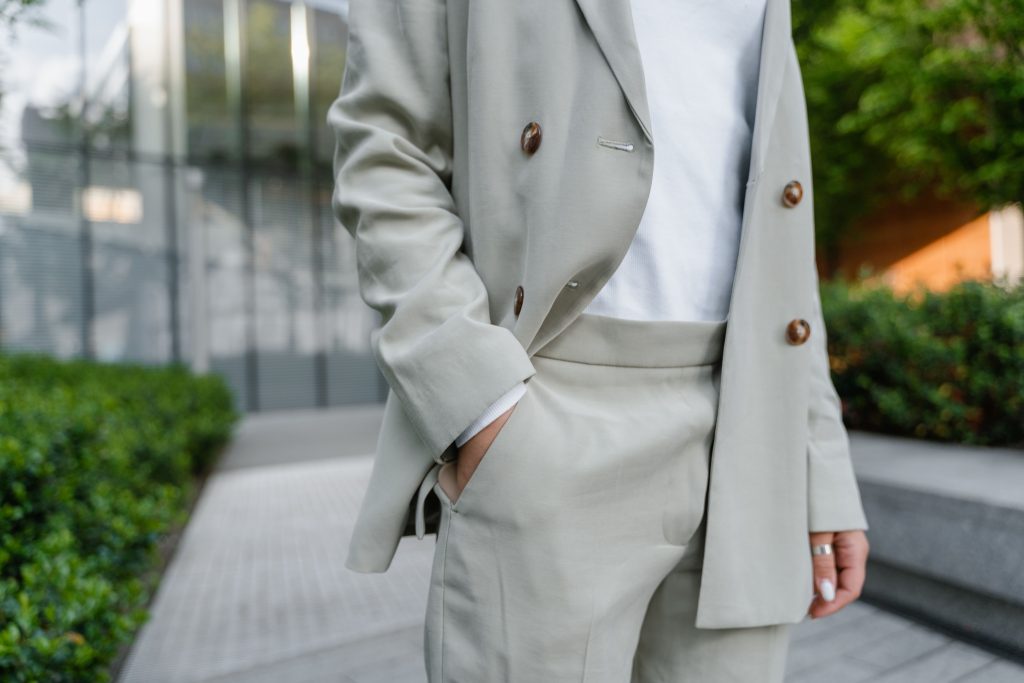
Effortless elegance is about adaptability. A stylish wardrobe should allow you to move from one season to another without losing your personal identity. By changing fabrics, layering thoughtfully, adjusting colors, and combining premium-looking pieces with everyday essentials, you can create outfits that feel fresh throughout the year.
The strongest approach is to keep your foundation simple and versatile, then introduce seasonal trends selectively. Current menswear is embracing expressive colors, creative layering, relaxed tailoring, and combinations that mix polished and casual elements. With the right balance, seasonal dressing becomes less about following rules and more about discovering new ways to wear what you already own.
FAQs
1. How can I transition my wardrobe between seasons?
Keep your core wardrobe pieces and gradually change layers, fabrics, colors, and footwear as temperatures change.
2. What colors work across multiple seasons?
Neutral shades such as navy, white, grey, beige, brown, olive, and denim are highly versatile and can be combined with seasonal colors.
3. How can I layer clothes without looking bulky?
Start with lightweight base layers and gradually add structured pieces. Make sure each layer fits comfortably over the previous one.
4. How can I combine luxury and everyday fashion?
Pair one refined or premium-looking piece with simpler everyday clothing. A tailored jacket with denim or an elegant knit with casual trousers can create a balanced look.
5. What are some current menswear color trends?
2026 menswear coverage highlights expressive colors including red, green, butter yellow, royal blue, chocolate brown, and olive, offering plenty of options for experimenting with seasonal outfits.