
Care 101: Fabric Care for Silk, Cotton, and Leather
Taking care of clothes is not simply about keeping them clean. Proper fabric care helps clothing maintain its appearance, texture, shape, and usefulness for longer. Silk, cotton, and leather are three very different materials, so treating them all in exactly the same way can create unnecessary damage. A washing machine setting that works perfectly for a cotton T-shirt may be completely unsuitable for a delicate silk garment, while leather usually needs a completely different approach involving gentle cleaning and appropriate conditioning. The easiest rule to remember is simple: the fabric should decide the care routine, not convenience. Before washing, drying, ironing, or cleaning anything, check the care label because care symbols are designed to indicate the maximum treatment a garment can safely receive. GINETEX explains that care labels cover washing, bleaching, drying, ironing, and professional care, while milder treatments and lower temperatures than those specified are generally permitted
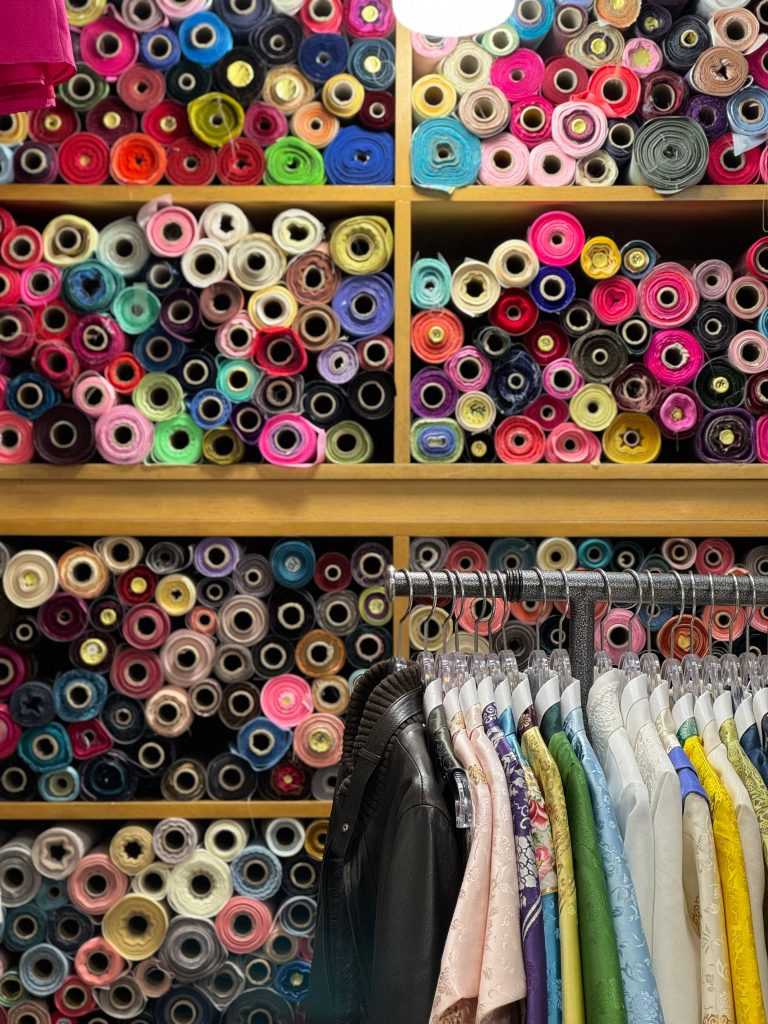
Understanding Care Labels Before You Start
A small label inside your clothing can save you from a surprisingly expensive mistake. Care symbols tell you whether an item can be washed, what temperature is appropriate, whether bleaching is allowed, how it should be dried, and whether professional cleaning may be required. The international ISO 3758:2023 care-labelling standard provides a standardized system for these symbols, making them easier to understand across different markets. For example, a crossed-out washing symbol means the garment should not be washed, while a washing tub with a temperature number indicates the maximum washing temperature. A line underneath the washing symbol indicates a gentler process with reduced mechanical action, which can be particularly important for sensitive garments. When you are unsure, choose the gentler option rather than automatically selecting the strongest wash cycle. Think of a care label as the instruction manual for your clothing: ignoring it may not cause a problem every time, but eventually one wrong decision can lead to shrinking, fading, distortion, or permanent damage.
How to Care for Silk
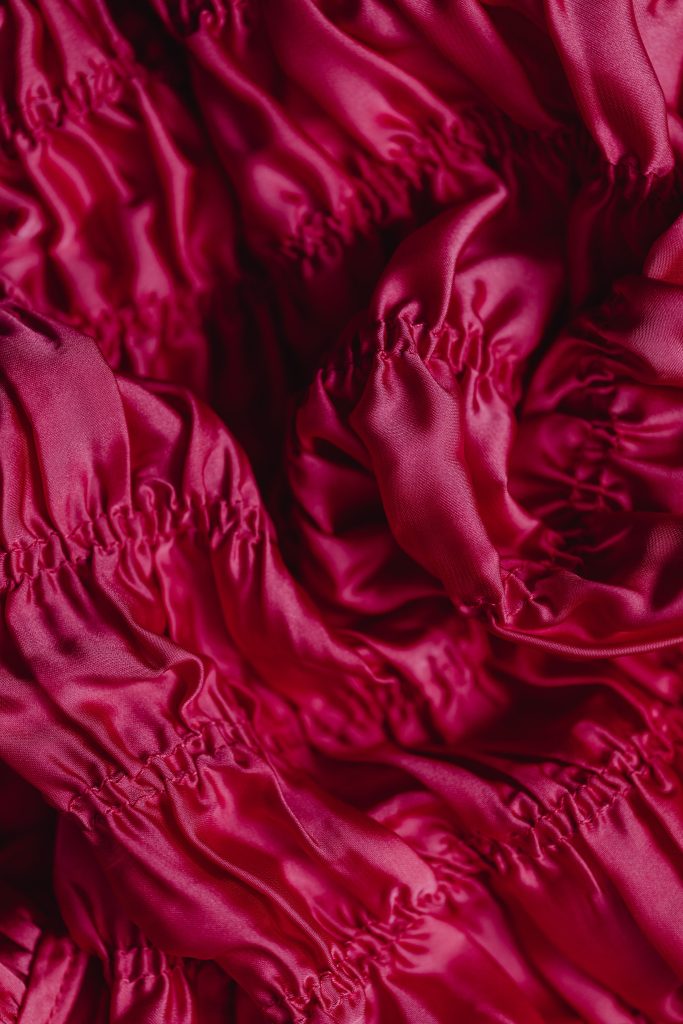
Silk requires gentle handling because its smooth surface and delicate structure can be affected by excessive friction, heat, and unsuitable cleaning methods. Start by checking the garment’s care label rather than assuming every silk item should be washed in the same way. If hand washing is permitted, use cool or lukewarm water and a detergent suitable for delicate fabrics. Avoid aggressive rubbing, twisting, or wringing because mechanical stress can affect the fabric’s appearance and shape. GINETEX’s care guidance specifically advises gentle handling for hand-washable delicate textiles, including avoiding rubbing, pulling, and wringing. After washing, remove excess water carefully instead of twisting the garment. Silk should also be protected from unnecessary heat; when ironing is permitted, follow the temperature shown on the care label because ironing temperatures are determined by the garment’s care instructions rather than simply by the fibre name. For storage, keep silk clean and completely dry, and avoid squeezing it into an overcrowded wardrobe. Giving delicate garments enough space helps reduce unnecessary creasing and keeps them ready to wear.
How to Care for Cotton
Cotton is generally easier to maintain than silk, but that does not mean every cotton garment should be washed on a high-temperature cycle. Cotton can vary considerably depending on its colour, construction, finishing, print, and blend, so the care label remains the best guide. Separate heavily coloured or dark cotton clothing when appropriate, and choose a washing temperature that matches the label. GINETEX identifies several cotton-related wash categories, including coloured washes at 40°C and 60°C and higher-temperature cycles for certain cotton or linen items that are specifically designed to tolerate them. Excessive heat can contribute to shrinking or colour changes in some garments, while unnecessary aggressive washing can gradually affect the appearance of fabric. Drying also matters: check whether tumble drying is permitted and which temperature is recommended. If you iron cotton, follow the permitted temperature on the care label rather than assuming that every cotton item can tolerate the hottest setting. A little attention to washing temperature, drying method, and ironing can make everyday cotton clothing look better for longer.
How to Care for Leather
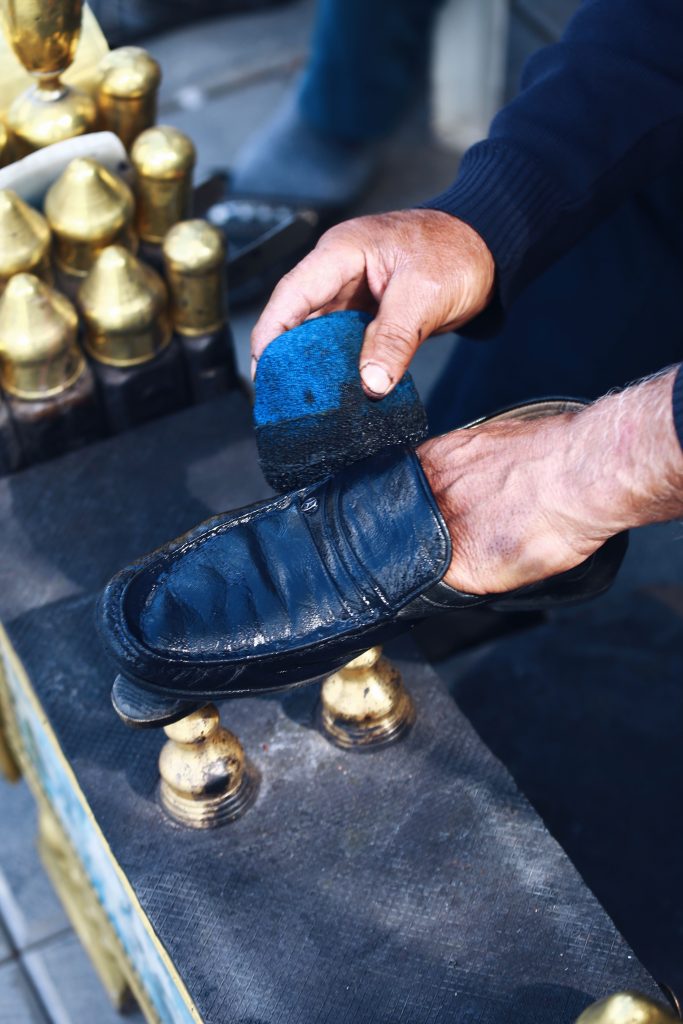
Leather should be treated differently from ordinary washable fabrics because it is a material that can be affected by moisture, unsuitable cleaning products, heat, and excessive friction. Do not treat a leather jacket, handbag, belt, or pair of leather shoes like a cotton T-shirt. Instead, begin with the manufacturer’s care instructions and identify whether the item is finished leather, suede, nubuck, or another material because different leather surfaces can require different treatments. For routine maintenance, gently remove surface dust and dirt with an appropriate soft cloth or brush rather than aggressively scrubbing the material. Avoid soaking leather unless the manufacturer’s instructions specifically allow a particular cleaning method. When leather becomes wet, allow it to dry naturally away from direct high heat rather than trying to speed up the process with a strong heat source. For valuable or heavily stained leather items, professional cleaning may be the safer choice. The goal is not to clean leather as aggressively as possible; the goal is to remove dirt while protecting the material’s finish, flexibility, and overall appearance.
Common Fabric Care Mistakes to Avoid
Many clothing-care problems happen because people choose the fastest method rather than the safest one. One common mistake is using too much heat. Care-label guidance makes clear that drying and ironing temperatures matter, and symbols indicate when reduced thermal treatment is required. Another mistake is washing delicate garments too aggressively. Strong mechanical action can be unnecessary for sensitive materials, which is why care symbols distinguish between normal, mild, and very mild washing processes. Using unsuitable stain removers can also create problems, particularly when a garment is not compatible with certain chemicals or professional-cleaning processes. Instead of guessing, check the label and choose the mildest appropriate treatment. It is also smart to avoid automatically washing clothes after every short wear when they are still clean and fresh; depending on the garment, airing it out and following the manufacturer’s care guidance may reduce unnecessary washing. Good fabric care is really about balance: clean when necessary, handle gently, and avoid treatments that are stronger than the material requires.
Fabric Care Comparison
| Material | Main Care Priority | Washing | Drying | Ironing |
|---|---|---|---|---|
| Silk | Gentle handling | Follow label; delicate/hand washing may be required | Gentle natural drying when permitted | Low/moderate temperature according to label |
| Cotton | Control heat and shrinkage | Often washable, but follow label | Air or tumble dry if permitted | Usually more heat-tolerant, but label decides |
| Leather | Protect surface and finish | Usually not treated like washable fabric | Dry naturally away from strong heat | Usually avoid unless manufacturer’s instructions allow it |
A Simple Fabric Care Routine
A good routine does not have to be complicated. Read the label first, sort garments according to their care requirements, use an appropriate washing method, and avoid unnecessary heat. For silk, prioritize gentle handling and careful drying. For cotton, focus on suitable washing temperatures, colour separation when needed, and avoiding unnecessary high heat. For leather, concentrate on surface cleaning, protection, and keeping the material away from excessive moisture and heat. Care labels are particularly useful because they specify the maximum permitted treatment for the individual article, taking into account factors beyond the fibre itself, such as colour, finishing, buttons, zips, and other applications. This means two garments made partly from the same fibre may still have different care requirements. Once you get into the habit of checking the label before acting, clothing care becomes much easier. Instead of thinking, “How do I wash this fabric?” ask, “What does this particular garment allow me to do?”

Conclusion
Good fabric care is one of the simplest ways to keep a wardrobe looking fresh and useful for longer. Silk needs gentleness, cotton needs sensible washing and heat control, and leather needs specialized attention rather than ordinary laundry treatment. The most important habit is to read the care label before cleaning or treating a garment, because standardized symbols provide specific instructions for washing, drying, ironing, and professional care. You do not need an elaborate routine or dozens of products; you simply need to match the care method to the material and avoid unnecessary stress. When you treat clothing according to its actual requirements, you can protect its appearance, reduce avoidable damage, and get more use from the pieces you already own.
FAQs
1. Can silk be washed in a washing machine?
Some silk garments may be machine washable, but the care label should always be checked first. If machine washing is permitted, use the recommended delicate setting and temperature rather than assuming a normal cycle is safe.
2. Does cotton always shrink after washing?
Not necessarily. Shrinkage depends on factors such as the garment’s construction, finishing, washing temperature, and drying method. Following the care label and avoiding unnecessary high heat can help reduce the risk.
3. Can leather be washed with regular detergent?
Regular laundry detergent should not automatically be used on leather. Leather requires care appropriate to its specific finish, and unsuitable cleaning products may affect its surface or appearance.
4. What is the most important fabric-care rule?
Always check the care label before washing, drying, ironing, or treating a garment. The label provides the maximum treatment the manufacturer considers suitable for that particular item.
5. How can proper fabric care make clothes last longer?
Gentler washing, appropriate temperatures, careful drying, and correct storage can reduce unnecessary wear. GINETEX also highlights textile care as an important part of maintaining clothing quality and avoiding damage that can shorten a garment’s usable life.