
Footwear & Bags: Shoes and Handbags Matching Guide
Choosing the right shoes and handbag can completely change the way an outfit looks. These accessories may seem like small details, but they often bring the entire outfit together and create a more polished appearance. You do not always need matching shoes and bags in exactly the same colour. Instead, you can coordinate them through colour, texture, style, occasion, and overall outfit mood. A simple outfit can look more complete when the footwear and handbag complement each other, while an overly complicated combination can make even good clothing feel unbalanced. The best approach is to think of shoes and bags as partners rather than identical twins. Once you understand a few basic styling principles, you can create combinations that feel natural, practical, and fashionable without needing a huge accessory collection.
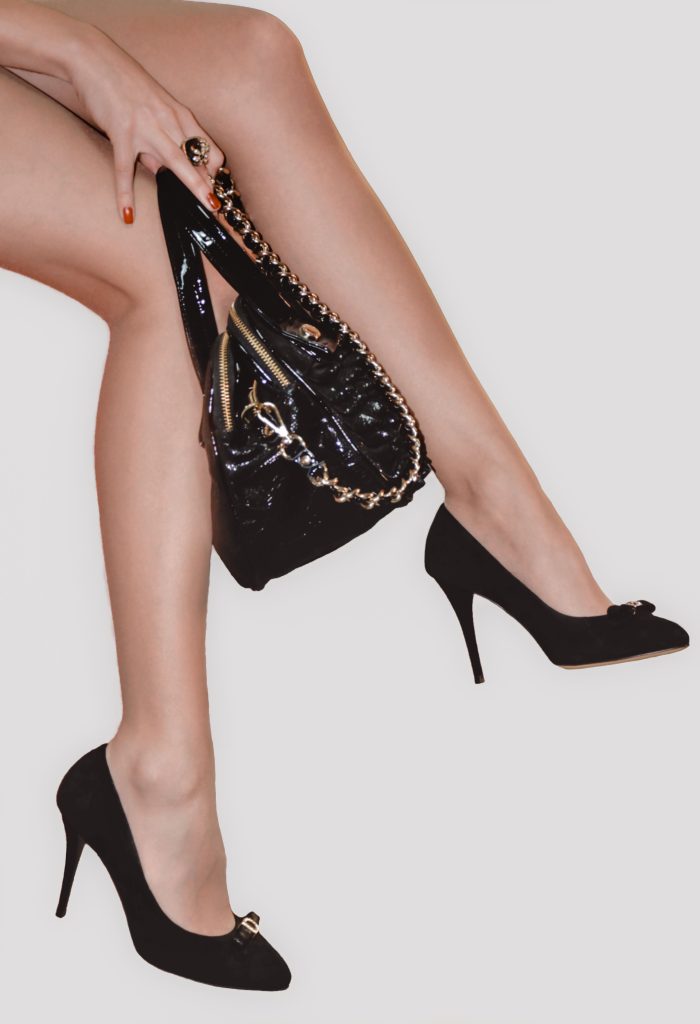
Why Shoes and Handbags Matter
Shoes and handbags are functional items, but they also play an important role in personal style. Your footwear affects the overall mood of an outfit because sneakers can make a look feel casual, while flats, loafers, boots, or dressier footwear can create a different impression. A handbag works in a similar way because its size, shape, material, and colour can influence how an outfit comes together. When both accessories complement the clothing, the result usually feels more intentional. This does not mean every accessory has to match perfectly. In fact, wearing exactly the same colour from head to toe can sometimes make an outfit feel too predictable. A better strategy is to create visual connection between your accessories. For example, black shoes can work with a brown or neutral handbag if another part of the outfit creates a connection between the colours.
Should Shoes and Bags Match?
The traditional fashion rule says that shoes and handbags should match, but modern styling gives you much more freedom. Matching is an option, not a requirement. You can choose shoes and bags from the same colour family without selecting exactly the same shade. For example, beige shoes can work beautifully with a tan handbag, while dark brown shoes can complement a camel-coloured bag. This creates coordination without making the outfit look overly planned.
Another useful approach is to match the visual weight of the accessories. A large structured handbag may look more balanced with substantial footwear such as loafers or boots, while a small shoulder bag can work naturally with lighter footwear. The goal is harmony. If you are wearing a colourful outfit, neutral accessories can keep the look balanced. If your clothing is mostly neutral, shoes or a handbag can introduce a subtle accent colour.
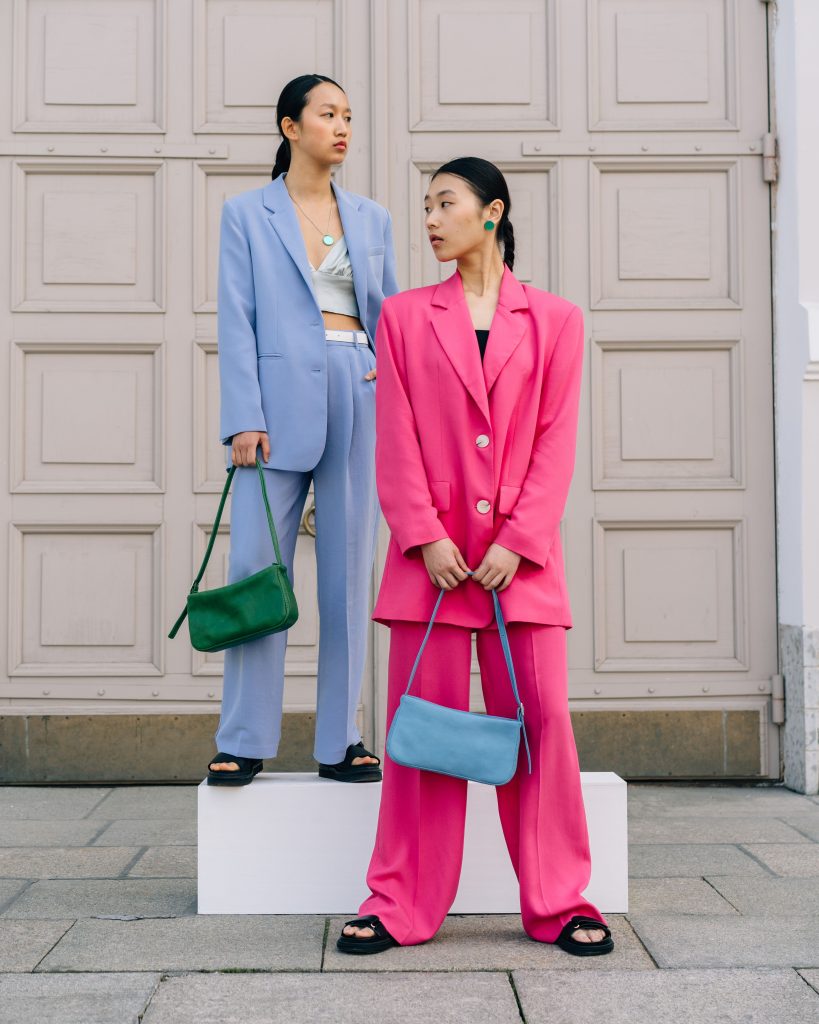
Matching Shoes and Bags by Colour
Colour is one of the easiest ways to coordinate accessories. Neutral shades such as black, white, beige, tan, brown, grey, and navy are particularly versatile because they can work with many outfits. A black handbag paired with black shoes creates a classic combination that works for school events, casual outings, dinners, and many other occasions depending on the clothing.
Brown accessories can also be surprisingly flexible. Tan or camel bags can complement blue denim, cream clothing, white tops, and earthy colours. If you prefer a softer look, beige shoes with a cream or tan handbag can create a subtle combination without looking overly coordinated.
You can also use contrasting colours. For example, a neutral outfit can be paired with a colourful handbag while keeping the shoes simple. Alternatively, colourful shoes can become the main accessory while the handbag remains neutral. This approach prevents the outfit from becoming visually overwhelming.
Matching by Occasion
The occasion should always influence your choice of footwear and handbag. An accessory combination that works for a casual afternoon may not be appropriate for a formal event. For everyday outfits, sneakers, casual flats, crossbody bags, backpacks, or relaxed shoulder bags can be practical choices. For a slightly more polished outfit, loafers, ballet flats, ankle boots, or structured handbags can create a refined appearance.
For parties or special occasions, smaller handbags such as clutch bags or compact shoulder bags can work well because they keep the outfit visually lighter. Dressier footwear can complement the occasion without requiring every accessory to match. For formal settings, simple colours and clean shapes often make coordination easier.
The most important thing is to consider the purpose of the outfit. If you will be walking for several hours, comfort should matter. If you are attending an event where you will mainly be seated, you may have more flexibility with your footwear. Good styling should be practical as well as attractive.
Choosing Shoes for Different Outfits
Different clothing silhouettes work naturally with different types of footwear. Jeans and a T-shirt can be paired with sneakers for an effortless casual outfit. The same jeans can look more polished with loafers or ankle boots. A skirt or dress can be combined with flats, sandals, boots, or other suitable footwear depending on the season and occasion.
The colour of your clothes also matters. If you are wearing several colours, neutral shoes can prevent the outfit from becoming too busy. If your outfit is mostly neutral, footwear can provide a small point of interest.
You should also think about proportions. Chunkier footwear can work particularly well with relaxed or wider clothing silhouettes, while slimmer footwear may complement a more streamlined outfit. There is no single rule that applies to everyone, but considering the relationship between the clothing and shoes can help create a more balanced appearance.
Choosing the Right Handbag
A handbag should be selected based on both style and practicality. Before choosing one, think about what you actually need to carry. A small handbag may look elegant but may not be useful if you need to carry several everyday essentials. Similarly, a very large bag may be practical but can feel excessive with a delicate outfit.
Crossbody bags are useful for casual outings because they allow your hands to remain free. Shoulder bags can work with a variety of everyday outfits, while structured handbags can create a more polished appearance. Backpacks can be practical for students and busy days, especially when carrying books or other necessities.
The colour should also work with your existing wardrobe. If you want one handbag that can be used frequently, a neutral colour can offer plenty of combinations. Once you have a dependable neutral bag, you can add another bag in a different colour or texture when you want more variety.
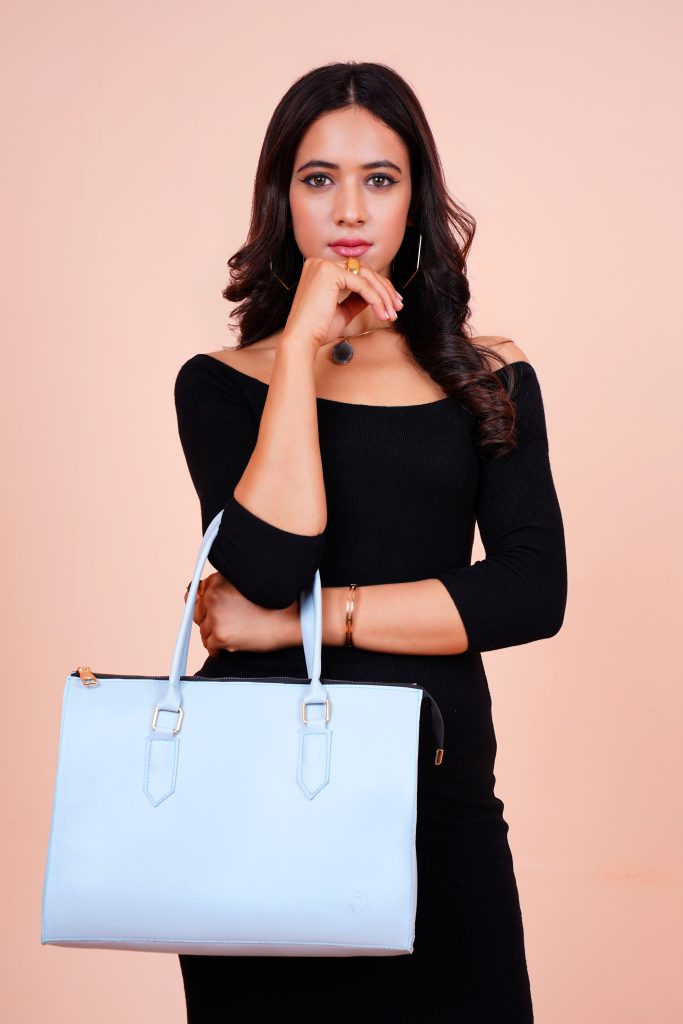
Coordinating Textures
Colour is not the only way to create harmony between shoes and bags. Texture can be just as important. Smooth leather-style footwear with a structured handbag can create a polished combination, while canvas sneakers and a casual fabric bag create a relaxed appearance.
You do not need the textures to be identical. Instead, they should make sense together. A sporty sneaker with a very formal evening bag may create an intentional contrast, but if the rest of the outfit does not support that contrast, the combination can feel disconnected.
For everyday styling, keeping textures within the same general mood is an easy starting point. Casual shoes work naturally with casual bags, while dressier footwear can be paired with more refined handbags.
Common Matching Mistakes
One of the most common mistakes is believing that everything has to match exactly. Wearing identical colours, materials, and patterns for shoes and bags is not necessary. Another mistake is choosing accessories without considering the clothing. Even beautiful shoes and a beautiful handbag can look disconnected if they belong to completely different styles.
Using too many statement accessories at once can also make an outfit feel crowded. If your shoes are bold, consider keeping the handbag simpler. If the handbag has a striking colour or design, neutral footwear may create better balance.
Another mistake is ignoring comfort. An accessory is not successful if it looks good but makes it difficult to move around or carry what you need. Fashion should work with your lifestyle rather than against it.
Easy Shoe and Handbag Combinations
Here are some simple combinations that can make everyday styling easier:
- White sneakers + neutral crossbody bag: Ideal for casual everyday outfits.
- Black flats + black handbag: A classic and easy combination.
- Loafers + structured shoulder bag: Works well for a more polished appearance.
- Ankle boots + brown or tan handbag: Great for casual and seasonal outfits.
- Colourful shoes + neutral handbag: Lets the footwear become the main focus.
- Neutral shoes + colourful handbag: Adds interest without making the entire outfit colourful.
Easy Shoe and Handbag Combinations
Here are some simple combinations that can make everyday styling easier:
- White sneakers + neutral crossbody bag: Ideal for casual everyday outfits.
- Black flats + black handbag: A classic and easy combination.
- Loafers + structured shoulder bag: Works well for a more polished appearance.
- Ankle boots + brown or tan handbag: Great for casual and seasonal outfits.
- Colourful shoes + neutral handbag: Lets the footwear become the main focus.
- Neutral shoes + colourful handbag: Adds interest without making the entire outfit colourful.
These combinations are not strict rules. They are starting points that you can adjust according to your clothing, personal taste, and occasion.
Building a Versatile Shoe and Bag Collection
You do not need dozens of shoes and handbags. A small, carefully selected collection can provide many outfit combinations. Start with versatile neutral footwear, such as comfortable sneakers, flats, loafers, or another style you regularly wear. Then choose one or two practical handbags that work with most of your clothes.
After establishing these basics, you can add accessories that express your personality. Perhaps you prefer bright colours, interesting textures, sporty designs, or classic shapes. The purpose of a versatile collection is not to eliminate fun from fashion. It is to make sure you have reliable options when you need them.
Before buying a new accessory, ask yourself whether you can imagine wearing it with at least several outfits you already own. This simple question can help you make more thoughtful choices.
Conclusion
Matching shoes and handbags is less about following strict rules and more about creating balance. You can coordinate accessories through colour, texture, shape, proportion, and occasion without making them identical. Neutral accessories provide a dependable foundation, while colourful or distinctive pieces can add personality when used thoughtfully. Most importantly, your footwear and handbag should suit the activity, clothing, and practical needs of the day. Once you understand these principles, styling becomes much easier because you are no longer trying to find a perfect matching set. You are simply creating a combination where every piece feels like it belongs.
FAQs
1. Do shoes and handbags have to be the same colour?
No. They can be different colours as long as they complement the overall outfit. Similar colour families or neutral combinations are easy places to start.
2. What handbag colour is easiest to style?
Neutral colours such as black, tan, beige, brown, grey, and navy can work with many different outfits.
3. Can colourful shoes be worn with a neutral handbag?
Absolutely. This is an easy way to let your shoes become the focal point while keeping the rest of the accessories balanced.
4. How many handbags do I need?
There is no fixed number. A few versatile handbags that suit your daily activities and wardrobe can be more useful than having many bags that rarely get used.
5. Should comfort matter when choosing shoes?
Yes. Comfort and practicality should always be considered alongside appearance, particularly for footwear that you expect to wear for long periods.