Occasion Wear: Party vs Casual Styling Rules
choosing an outfit becomes much easier when you understand the difference between party wear and casual wear. The same clothing item can sometimes work for both, but the way you style it can completely change its overall appearance. Casual outfits are generally designed for comfort, practicality, and relaxed activities, while party outfits often include more polished details, dressier fabrics, interesting accessories, or statement pieces. You do not need an entirely separate wardrobe for every occasion. Instead, learning how to adjust your clothing, footwear, accessories, colours, and layers can help you create suitable outfits without overcomplicating your style. The key is to understand where you are going, what you will be doing, and what kind of atmosphere you are dressing for.
What Is Casual Wear?
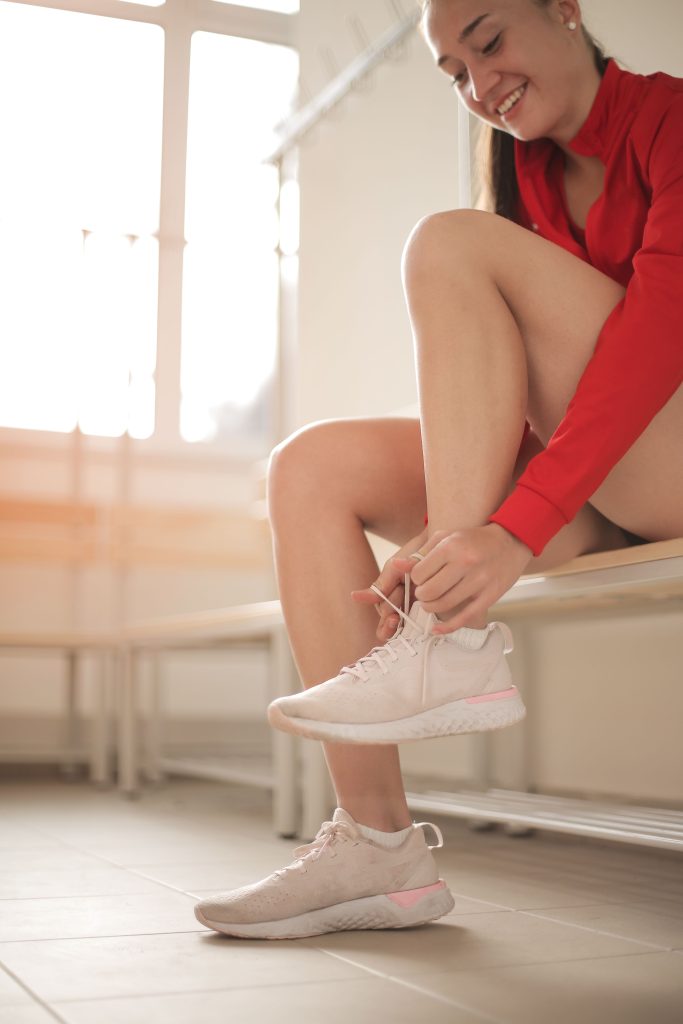
Casual wear is all about comfort, simplicity, and everyday practicality. It is suitable for activities such as shopping, meeting friends, going for a coffee, attending informal gatherings, or spending a relaxed day outside. Common casual pieces include jeans, basic T-shirts, casual shirts, simple tops, sneakers, flats, relaxed trousers, and comfortable jackets. These pieces can easily be mixed and matched, which makes casual dressing one of the easiest areas of fashion to experiment with.
A casual outfit does not have to look careless. You can still create a neat and well-coordinated appearance while wearing simple clothing. For example, clean sneakers, well-coordinated jeans, a basic top, and a small crossbody bag can create a polished everyday outfit. The secret is to pay attention to fit, cleanliness, colour coordination, and accessories rather than adding unnecessary details.
What Is Party Wear?
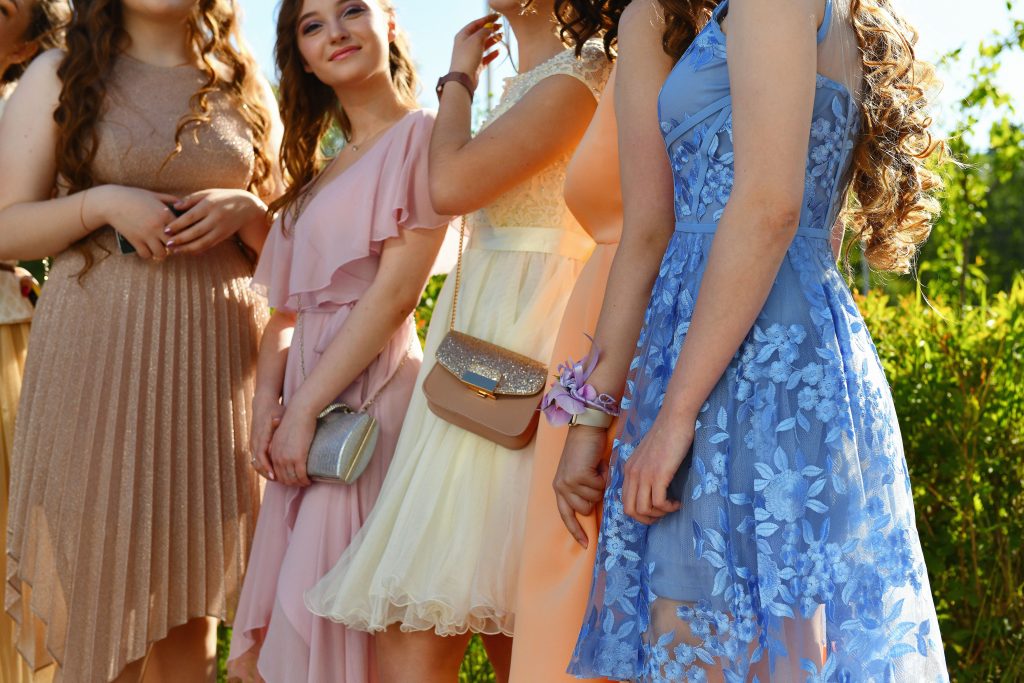
Party wear generally has a more dressed-up appearance than everyday clothing. Depending on the type of event, it may include dresses, skirts, tailored trousers, dressy tops, jumpsuits, blazers, polished footwear, statement accessories, or elegant handbags. However, party wear does not have to mean extremely formal clothing. A birthday gathering, dinner with friends, college celebration, and formal evening event can all have completely different dress expectations.
Before choosing an outfit, consider the type of party. The occasion itself should guide your styling choices. A casual birthday gathering may call for a stylish top and jeans, while a formal celebration may require a more sophisticated outfit. When you understand the environment, you can avoid both underdressing and overdressing.
The Main Difference Between Party and Casual Styling
The biggest difference is usually the level of formality and finishing. Casual clothing tends to prioritize ease and relaxed styling, while party outfits often involve more deliberate coordination. This does not mean casual clothes are unattractive or party clothes are automatically better. They simply communicate different levels of formality.
For example, a plain T-shirt and jeans can look completely casual with sneakers and a backpack. The same jeans could look more polished with a structured top, blazer, loafers, and a small handbag. The clothing has not necessarily changed dramatically; the styling has. This is why understanding accessories and layers is so useful. They can transform the mood of an outfit without requiring you to buy a completely new wardrobe.

Choosing the Right Colours
Colour can influence how an outfit feels. Neutral colours are especially versatile because they can work across casual and more polished outfits. Black, white, beige, navy, grey, cream, and brown can provide a strong foundation for many combinations.
For casual outfits, you can comfortably experiment with brighter colours, prints, denim, and relaxed combinations. For party wear, you may choose richer colours, subtle metallic details, or a more coordinated colour palette depending on the event.
The important thing is not to follow a rule saying that certain colours are only for parties or only for casual occasions. Almost any colour can work when styled appropriately. A bright top with jeans and sneakers can look casual, while the same colour in a dressier silhouette with polished accessories can feel more appropriate for a party.
Choosing the Right Footwear
Shoes can completely change the personality of an outfit. Sneakers are a natural choice for many casual looks because they are practical and relaxed. Flats, loafers, sandals, and casual boots can also work depending on the season and outfit.
For party wear, footwear can become a stronger part of the overall styling. Dressier flats, boots, sandals, or other suitable shoes can make an outfit feel more polished. However, comfort should never be ignored. If you know you will be walking or standing for a long time, choose footwear that allows you to participate comfortably in the event.
A useful trick is to start with the outfit and then choose footwear that matches its level of formality. A very casual sneaker may feel disconnected from an elegant outfit, while an extremely dressy shoe may look unnecessarily formal with simple everyday clothing
The Role of Accessories
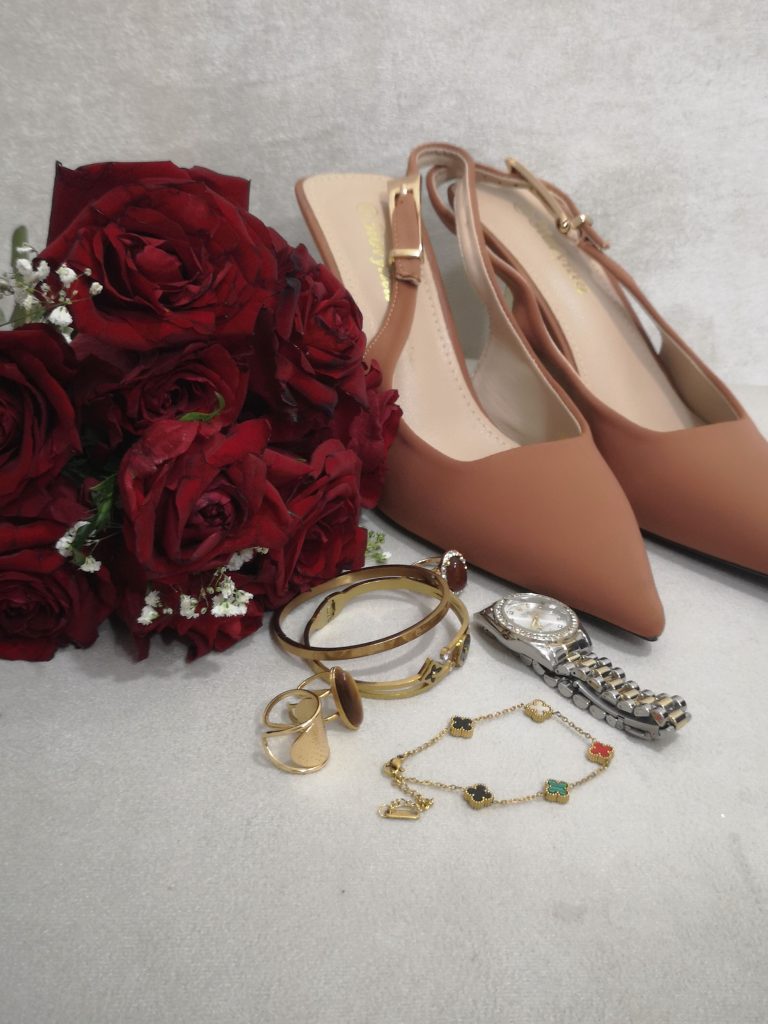
Accessories are one of the easiest ways to move an outfit from casual to party-ready. A handbag, jewellery, belt, scarf, hair accessory, or watch can make a noticeable difference. For a casual day, you might choose a practical crossbody bag and simple accessories. For a party, you may prefer a smaller handbag and more noticeable accessories.
However, more accessories do not always mean better styling. If your outfit already includes a statement piece, keeping the rest of the accessories simple can create better balance. You want the individual pieces to work together rather than competing for attention.
Accessories can also help you repeat the same clothing in different ways. A simple dress might feel casual with sneakers and a practical bag but more polished with dressier footwear and a structured handbag. This makes your wardrobe more flexible.
Casual Styling for Everyday Activities
A good casual outfit should make you feel comfortable while still looking put together. Jeans with a basic T-shirt are one of the simplest combinations. You can add sneakers, a crossbody bag, and a lightweight jacket for an easy everyday look.
Other combinations include relaxed trousers with a simple top, a casual shirt with jeans, or a comfortable skirt paired with a basic T-shirt. The possibilities are extensive because casual fashion is built around versatile pieces.
Layering can also make casual outfits more interesting. An open shirt over a T-shirt, a cardigan over a simple top, or a lightweight jacket over jeans can add structure without making the outfit feel formal.
top, or a lightweight jacket over jeans can add structure without making the outfit feel formal.
Party styling does not mean you have to wear the most dramatic outfit available. The goal is to look appropriate for the event while still feeling like yourself. A simple outfit can become party-ready through better coordination and carefully selected accessories.
For example, a plain top and trousers can look more polished when paired with a structured jacket and dressier footwear. A simple dress can be elevated with an appropriate handbag and accessories. Even a jeans-based outfit can work for a relaxed party when paired with a polished top and carefully chosen accessories.
Think about the party’s atmosphere before deciding how much to dress up. A daytime celebration may have a different style expectation from an evening event. When in doubt, choosing a neat and moderately polished outfit is usually safer than making the outfit unnecessarily complicated.

Common Styling Mistakes to Avoid
One common mistake is dressing without considering the occasion. Wearing extremely casual clothing to a formal event may make you feel uncomfortable, while dressing far more formally than everyone else can also make you feel out of place.
Another mistake is focusing too much on trends. Fashion trends can provide inspiration, but they should not replace practical judgment. An outfit should suit the event, weather, activity, and your personal comfort.
Trying to match every item perfectly is another unnecessary rule. Your shoes, bag, clothing, and accessories can coordinate without being identical. Instead of asking whether every piece matches, ask whether the overall outfit looks balanced.
Finally, avoid sacrificing comfort completely for appearance. A good outfit should allow you to enjoy the occasion rather than constantly adjusting your clothes or worrying about your footwear.
How to Turn a Casual Outfit Into a Party Look
You can often transform an everyday outfit with a few changes. Start with a basic foundation such as jeans and a top. Then replace casual footwear with a more polished option, switch to a smaller handbag, and add a carefully selected accessory or structured layer.
The same idea works with dresses, skirts, and trousers. You do not necessarily need to change the entire outfit. Sometimes changing just two or three elements is enough to create a different mood.
This approach is particularly useful when you are going directly from one activity to another. A simple change of shoes, bag, or outer layer can help transition your outfit without carrying an entirely separate wardrobe.
Building a Flexible Occasion-Wear Wardrobe
A versatile wardrobe should include pieces that can work for multiple situations. Neutral trousers, jeans, simple tops, a few versatile dresses or skirts, comfortable footwear, and practical handbags can provide the foundation for many outfits.
Instead of buying something every time you receive an invitation, look at what you already own and consider how it can be styled differently. A jacket can make a casual outfit more polished. A simple top can be combined with different bottoms. A neutral handbag can work with several colours.
This approach saves money and reduces unnecessary shopping while giving you more opportunities to experiment with your personal style.

Conclusion
The difference between party and casual styling is mainly about occasion, formality, and how you put individual pieces together. Casual wear focuses on comfort and practicality, while party wear usually involves a more polished level of styling. However, there is plenty of flexibility between the two. The right footwear, handbag, accessories, colours, and layers can transform the same basic clothing into completely different outfits.
The most important rule is to dress appropriately for the occasion while remaining comfortable and confident in what you are wearing. Instead of following strict fashion rules, learn to understand the mood of an event and adjust your styling accordingly. With a few versatile wardrobe essentials and some creativity, you can create both casual and party outfits without needing an enormous collection of clothes.
FAQs
1. What is the main difference between casual and party wear?
Casual wear generally focuses on comfort and relaxed styling, while party wear usually has a more polished and occasion-focused appearance.
2. Can jeans be worn to a party?
Yes, depending on the type of party. For a casual celebration, jeans can work very well when paired with a polished top, suitable footwear, and coordinated accessories.
3. How can I make a casual outfit look more polished?
Try changing the footwear, adding a structured layer, choosing a smaller handbag, or adding a few simple accessories.
4. Do party outfits always need to be colourful?
No. Neutral colours can look just as stylish for parties. Black, cream, navy, white, beige, and other neutral shades can create elegant combinations.
5. What should I consider before choosing an outfit for a party?
Consider the type of event, location, time of day, expected dress level, weather, and activities. These factors can help you choose an outfit that feels both appropriate and comfortable.